
Are you ready to shape the future of our communities and enjoy a rewarding career?
The built environment is more than just bricks and mortar – it’s the vibrant world we create and inhabit every day. From lively neighbourhoods and innovative workplaces to green parks and thriving communities, these spaces shape the rhythm of our lives. Behind each home, street and open space lies a network of opportunities and expertise that keep our communities flowing – transport, water, wastewater systems and energy, all working in harmony. Many built-environment professionals also rely on digital maps, layered information and location-based data to understand how people, buildings, and the environment interact, helping guide smarter design, planning and decision-making.
Whether you’re interested in designing buildings or open spaces, measuring and mapping the land, analysing location-based data, valuing property, or planning how communities and cities will develop, built environment professions offer a range of exciting and in-demand career opportunities.
So jumpstart your career in the built environment and make a real difference today.
Interested in learning more? Discover career pathways into the dynamic landscape of the built environment below, or check out the Pathways to Built Environment Careers booklet (PDF, 1.9 MB).
Careers and courses
Being an architect is about turning ideas into buildings and places that people use every day. From skyscrapers to family homes, museums, shopping centres, hotels, conserving historic buildings, or futuristic cities, architects shape the world. You’re not just drawing; you’re solving problems, being creative, and improving lives. Architects use digital maps and location-based information to understand how a building fits into its surroundings - from nearby streets and services to sunlight, views and the broader landscape – ensuring their designs respond thoughtfully to place.
The Adelaide University Bachelor of Urban Design and Master of Architecture ensures students can acquire the tertiary education and skills needed to become registered architects.
For more information, visit Study Bachelor of Architectural Design at Adelaide University - Information for Domestic students | Adelaide University

Imagine helping someone buy their dream home – a cozy house or a cool apartment. That’s what a conveyancer does. They’re the experts behind the scenes, ensuring everything goes smoothly when buying or selling property. To make this happen, conveyancers work with land administration records to determine ownership and other legal information about land, helping to confirm that every part of the transaction is accurate and secure.
tafeSA’s Advanced Diploma of Conveyancing ensures students can acquire the tertiary education and skills needed to become registered conveyancers.
For more information, visit Advanced Diploma of Conveyancing - Property and Conveyancing - TAFE SA

Geospatial professionals such as data scientists and analysts work with surveyors, planners, engineers and architects to collect, manage, analyse and visualise location-based data to create maps, dashboards and reports for decision making.
The Flinders University Bachelor of Geospatial Information Systems and the Adelaide University Geographic Information Systems (Introductory and Advanced) courses ensure students can acquire the tertiary education and skills required to become a Geospatial Professional.
TAFESA also offers a Certificate IV in Surveying and Spatial Information Services for entry level tertiary education.
For more information, visit:
Geospatial Information Systems – Flinders University

Advanced Geographic Information Systems – Adelaide University
Certificate IV in Surveying and Spatial Information Services - TAFESA
Landscape architects design the outdoor places where people hang out, play, explore, and connect with nature. From parks and streetscapes to green roofs and restored ecosystems, they turn ideas into living spaces that balance beauty, function and environmental performance. Using layered digital maps to understand vegetation, water flows, soil, shade and how people move through spaces, landscape architects create designs that make cities greener, cooler, and wilder - supporting biodiversity, saving water, and improving the world around us.
The Adelaide University Bachelor of Urban Design and Master of Landscape Architecture ensures students can acquire the tertiary education and skills needed to become registered landscape architects.
For more information, visit Bachelor of Architectural Design - Adelaide University
Property valuers figure out what a property is really worth by looking at factors such as location, size, property condition, and market trends. Their valuations help home buyers, sellers, businesses and banks make smart decisions about homes, land, and commercial buildings. To build an accurate picture, valuers use location analysis and digital maps to compare nearby sales, neighbourhood features, and broader market patterns, ensuring their assessments are grounded in reliable evidence.
The Adelaide University Bachelor of Commerce (Property) ensures students can acquire the tertiary education and skills needed to become certified practicing valuers.
For more information, visit Bachelor of Commerce majoring in Property - Adelaide University
Building surveyors ensure that buildings are safe, stable and built to last. They inspect buildings and construction sites to ensure everything works properly and meets the National Construction Code. As a building surveyor you could work on residential properties, commercial buildings, or skyscrapers. Building surveyors also use digital plans and mapping tools to understand how buildings sit on a site and how they relate to surrounding development.
The Adelaide University Bachelor of Construction Management and Honors program ensures students can acquire the tertiary education and skills needed to become Building Surveyors.
For more information, visit Bachelor of Construction Management - Adelaide University
Surveyors are crucial throughout the lifecycle of development and construction projects – helping to build and design 2D & 3D models, or through generating drawings and plans of both the world around you and the world still being built. As a surveyor, you’ll provide accurate information and expert advice to engineers, architects, developers, and clients to help ensure projects are completed successfully. Surveyors use digital mapping and location-based technology such as satellites and drones to measure land and infrastructure, define property boundaries and create detailed maps and models of the built and natural environments.
The Flinders University four-year double-degree Bachelor of Geospatial Information Systems (BGIS) / Bachelor of Surveying (BSU) ensures students can acquire the tertiary education and skills needed to become licenced surveyors.
For more information, visit Surveying & GIS - Flinders University
Urban designers shape how people move, interact and spend time in our towns and cities, influencing public health and safety, climate resilience, social equity, and vibrancy. From streets and transport networks to building heights and the placement of street furniture, urban designers work at both the street and city scales to shape the spaces between buildings where public life happens– making sure these spaces are welcoming and functional. To inform these decisions, urban designers use layered digital maps and location-based data to understand how transport, housing, green space and public life connect across a neighbourhood or city, helping them design environments that work seamlessly for communities.
To acquire the skills to be an urban designer you will need to do a related undergraduate degree, and then post-graduate studies at the University of Western Australia or RMIT (Melbourne).
For further information visit:
Architecture, Landscape Architecture and Urban Design - University of Western Australia

As a planner, you will be at the forefront of decision-making that dictates our living, travel, and working environments. Your role will be important in driving strategic planning for local and state growth and change, but planning is not just about data and decisions – it's about vision. Whether you're passionate about the environment, social impacts, connectivity, or regeneration, planning offers a dynamic field where your interests can flourish. To inform this work, planners layered maps and location-based information to understand patterns across cities – such as housing, transport, jobs and environmental constraints – helping them to test ideas and design future growth that supports thriving and resilient communities.
The state government has launched exciting new education pathways and initiatives, paving the way for you to become a planning professional.
Bachelor of Urban and Regional Planning
This three-year degree is built to make you work-ready from day one. It combines hands-on workplace experience with the academic skills planners need, with even more real-world learning in second and third year than a typical planning degree. By the time you graduate, you’ll be ready to step straight into South Australia’s planning industry and start making an impact.
In addition, Flinders University are exploring an apprenticeship style model for this degree.
For more information, visit Bachelor of Urban and Regional Planning - Flinders University
Graduate Rotation Program
Through this program, graduates rotate across key agencies within the Department for Housing and Urban Development, including Renewal A, SA Housing Trust and Planning and Land Use Services.
Implementation of the Graduate Rotation Program to commence in 2027/28 - once the first cohort of students have graduated from the Bachelor of Urban and Regional Planning degree at Flinders University.
The Para Planner Cadet Program
This program is designed to attract young people to become skilled para planners who play an important role in shaping the future of our state.
Para Planners support qualified planners by contributing to professional projects, participating in on-the-job training, answering customer queries, and undertaking assessments as part of development application processes.
The pilot program, led by the Department for Housing and Urban Development, is a collaborative effort between the Department for Education, TAFE SA and the Planning Institute of Australia – SA.
TAFE Diploma of Local Government (Planning)
This Diploma aims to bridge the skills gap by filling entry-level planning vacancies.
This course is specifically designed for candidates who are employed in a relevant area in government or any employment related to para planning and who are looking to gain skills in para planning to support urban and regional planning.
For more information visit Diploma of Local Government (Planning) - TAFE SA(external site)
Bachelor of Urban and Regional Planning Scholarships
Up to five scholarships are awarded annually (starting 2026) for the next five years, providing support to domestic students who meet the criteria and are commencing a Bachelor’s in Urban and Regional Planning at Flinders University.
The scholarships aim to attract and nurture emerging talent in the planning profession. Designed to reduce barriers to entry, it ensures a steady flow of skilled professionals into the field. By investing in local students, the program not only supports their educational journeys but also stimulate growth in regional communities.
Industry Insights – a Student Session with Planning Professionals
This dynamic, three-hour session at Flinders University immerses 20+ students in meaningful discussions each year with industry experts and practicing state planners. Designed to deepen their understanding of the planning profession, the session will offer firsthand insights, inspiring students to envision their future careers while fostering valuable industry connections.
Launched in March 2025, this initiative aims to bridge the gap between education and professional practice, empowering the next generation of planners.
Case studies
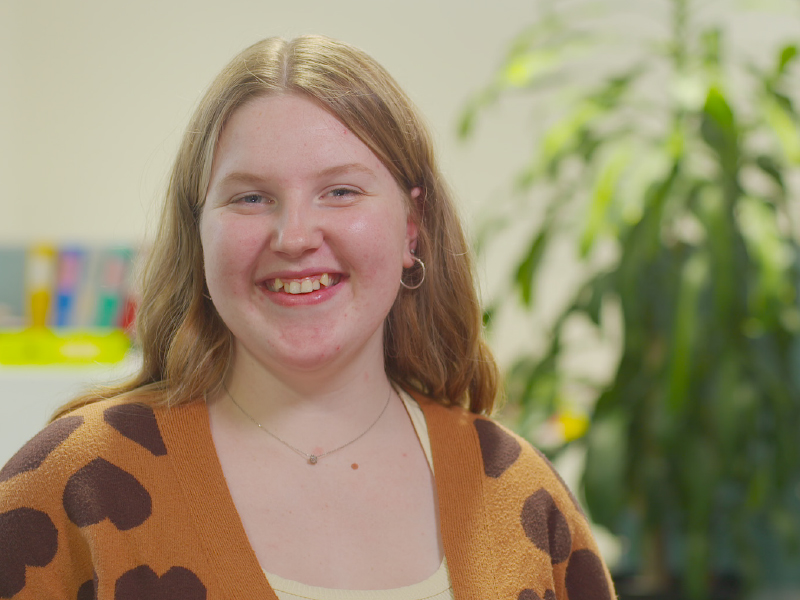
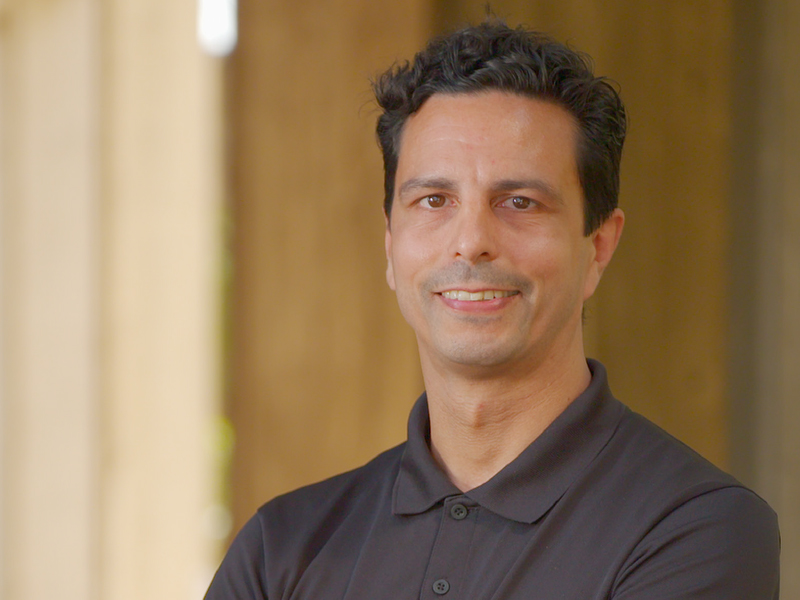
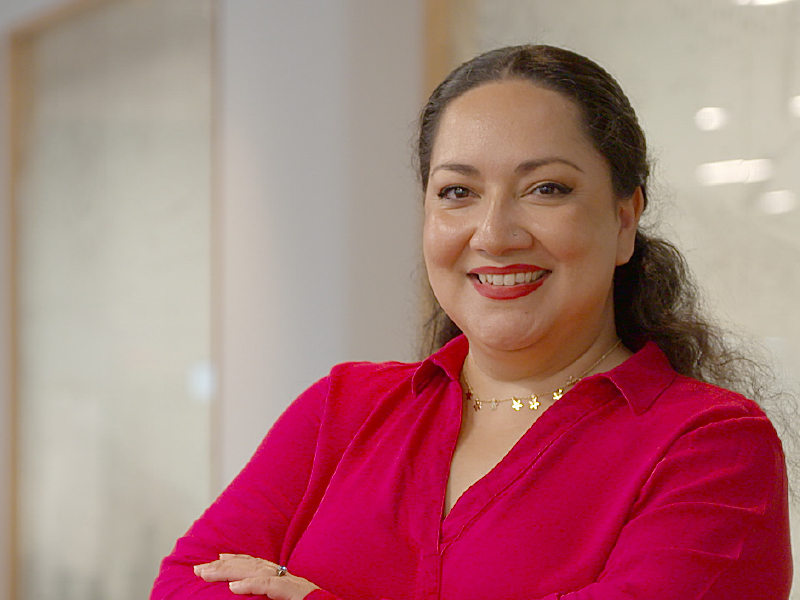
Hear from case studies who are taking part in some of the state government’s education pathways, and helping to shape the future of our state.